
Safari
Escape to the wild
Why Safari with B&R?
1
We Put the Active into Africa
Safari does not have to mean sitting in a vehicle all day. Track wildlife on foot, cycle through conservancies, or walk the bush at sunrise with expert guides.
2
Independent by Design
We do not own camps or operate lodges, which means we are free to choose what is best for you. Every property and experience is selected for fit, not inventory.
3
We Take You Closer
Closer to wildlife, culture, and the land itself through exceptional guiding and private access. Our experiences reveal Africa’s scale, silence, and raw beauty in ways few travellers experience.
4
Crafted with Experience
Every journey is personally researched and thoughtfully sequenced around seasonality, wildlife movement, and pacing. With 60 years of global expertise and over 30 years in Africa, our relationships shape every detail.
B&R Safari FAQs
We're trip designers, not a safari company with a sales team. Your planner has personally scouted your route, built direct relationships with guides and camp managers, and experienced these destinations firsthand. You're not choosing from a catalog—you're co-creating something built around your interests, travel style, and what matters to you.
But here's what really sets us apart: we get you out of the vehicle. Staying true to our active roots, we design experiential moments that go beyond passive game viewing—walking safaris that let you track wildlife on foot, conservation projects where you contribute meaningfully, cultural exchanges that feel authentic rather than performative. We believe the best way to understand Africa is by engaging with it directly, not just observing it through a window.
Bottom line: You get a trip shaped by someone who knows Africa deeply, gets to know you specifically, and knows how to design active, transformative experiences—not a sales agent working from a product list.
Early planning provides the best availability and pacing.
Peak Season
- June to October in East and Southern Africa
- January to February in East Africa
- Book 9 to 12 months in advance
- Migration season and family camps book earliest
Shoulder Season
- Southern Africa: April to May, November
- East Africa: March to May, November to December
- 6 to 9 months is typically sufficient
- Greater flexibility and value
Festive Season
- December 20 to January 5
- Plan 18 months in advance
Last-Minute Travel
- Occasionally possible 2 to 4 months out in shoulder season
- Rare in peak season
Multi-Generational or Group Travel
- Add 2 to 3 months to the above timelines
Not the way we design it. While game drives are central to safari (and there's real magic in those early morning and sunset hours), B&R knows how to weave in active elements that transform the experience from passive observation to full immersion.
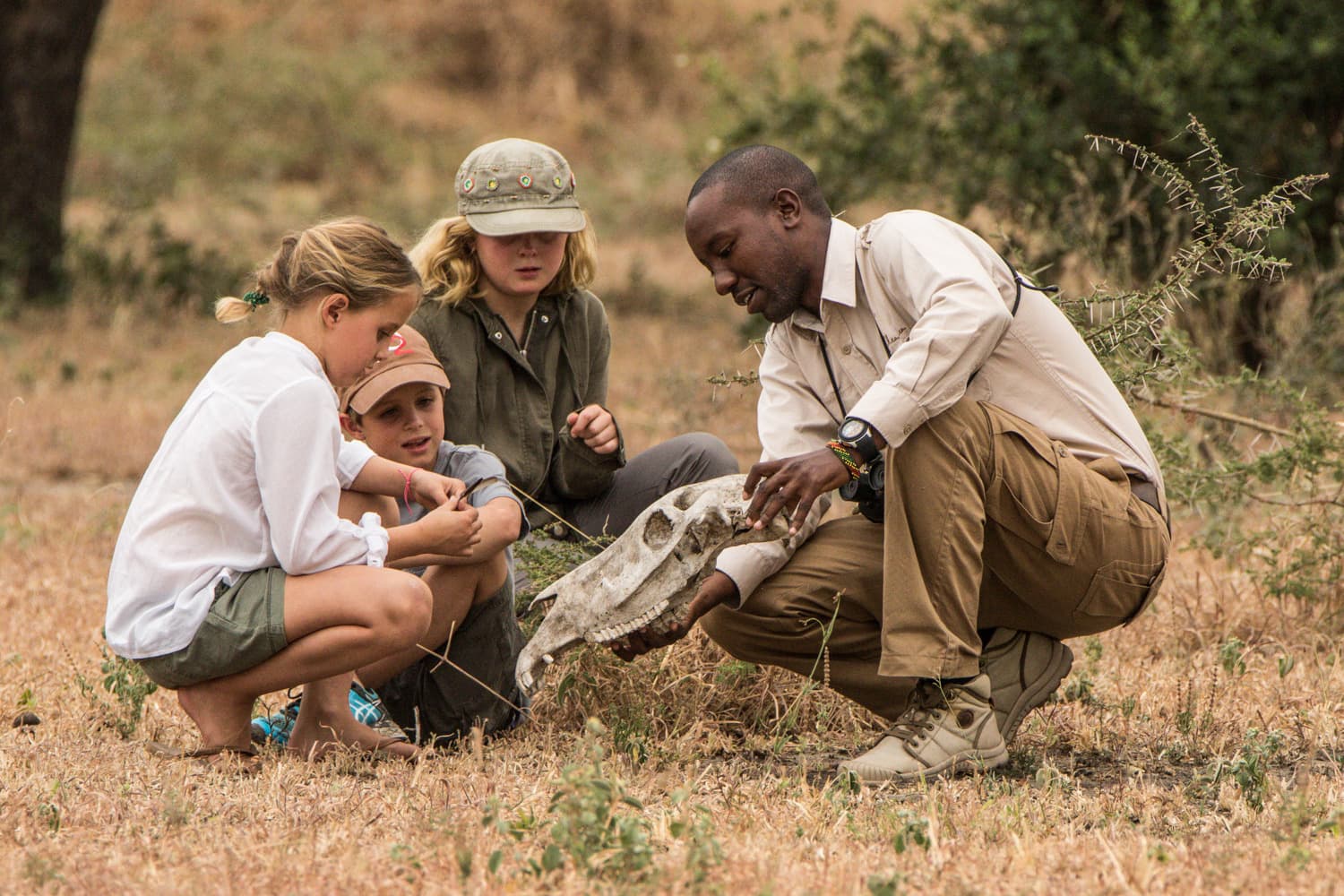
Walking safaris put you at eye level with the landscape—tracking animals on foot with an armed guide, reading signs in the sand, feeling the ecosystem around you rather than watching it through a window. Bush walks can range from short nature strolls to half-day treks, depending on your fitness and interests.
Beyond walking, we build in experiences that engage you physically and culturally: mountain biking through conservancies, canoeing the Zambezi at sunrise, horseback riding alongside giraffe and zebra, rock climbing or rappelling central Kenya, even archery lessons with the Hadza hunter & gatherers in Tanzania, or learning traditional tracking skills from San Bushmen in Botswana.
The key is rhythm and balance. We design trips that alternate between game viewing and active engagement—so you're not exhausted, but you're also not stuck in a vehicle for eight hours a day, seven days straight. Some of our most memorable moments happen on foot: sundowners after a hike to a viewpoint, walking into camp to meet researchers at a conservation project, or simply stretching your legs during a mid-drive break to really feel where you are.
B&R's strength is creating that holistic experience—mind, body, spirit—not just ticking off animal sightings from a jeep seat.
Safari camps and lodges operate in incredibly remote areas with little to no infrastructure—everything from food to fuel to linens has to be transported in, often by small aircraft. Many run on solar power, treat their own water, and employ significant staff to maintain operations in the middle of the wilderness. The cost of simply existing in these places is substantial.
You’re paying for the privilege of access. These are protected environments that exist because tourism revenue funds anti-poaching, conservation, and community programs. Your presence directly supports keeping these wild places wild and gives local communities a stake in protecting wildlife rather than competing with it.
Safari camps and lodges are all inclusive from accommodations, meals, drinks, twice-daily guided game drives with expert trackers, park fees, even laundry—it's all covered. When you break it down per day, it often compares favorably to other luxury travel when all is said and done.
There are ways to soften the sticker shock some travelers feel when seeing safari pricing. Traveling during shoulder or off-season, staying longer in fewer places, or choosing camps that offer stay 4 pay 3 or stay 5 pay 4 deals. We can design something that fits your budget without compromising the experience.
Any age can work, but context matters. In general, the sweet spot is 5–13 years old—old enough to appreciate the experience, young enough to be genuinely enchanted, ask questions, and form the foundation for how they'll perceive and experience the world.
Teens can be trickier since they're less easily impressed, but we've found success building in active elements like walking safaris, conservation activities, or cultural exchanges. These give them agency and engagement beyond passive game viewing, and let them see in action things they might have touched on in school.
That said, every family is different. Your comfort level with taking children on a long-haul trip like this varies, and what works for one family might not work for another. It's about operating within your comfort zone—but it's also worth having a conversation to better understand how an Africa safari actually works and why, contrary to what many parents assume, it's often one of the best trips you can take with kids.
That's what most travellers tell us before their first trip—then they're planning their return before they've even left.
We get it: Africa feels expensive, distant, and unfamiliar compared to places like Europe where people naturally return again and again. The industry has conditioned people to think safari is a bucket-list splurge you do once. But here's what they don't know until they experience it: Africa isn't a place you visit once and check off. It's a place that gets under your skin.
It's not just about the wildlife—it's the people, the cultures, the layers of history and creativity that you only begin to understand on a first visit. The Maasai communities in Tanzania are worlds apart from the vibrant art scene in Kigali or the winemakers in South Africa's Cape. The continent is so vast and diverse—different languages, traditions, landscapes, perspectives—that one trip barely scratches the surface.
People come back because of something that awakens in them out in the bush—a sense of aliveness, of being fully present, of reconnecting with what matters perhaps something instinctual awakens out in the bush—something that stays with you long after you lea
This might surprise you, but Africa's camps and lodges are exceptionally accommodating—often more so than properties in other destinations. Rather than simply omitting ingredients, chefs take pride in creating thoughtful, delicious alternatives so you're not just eating around your restrictions.
Gluten-free? Expect fresh-baked bread made with alternative flours. Vegan? You'll find creative plant-based dishes that rival anything you'd get at home, often featuring local ingredients and traditional preparations. Severe food allergies? Camp managers brief the entire kitchen staff and take cross-contamination seriously.
The hospitality ethos in African camps is deeply personal—no request is too challenging. We communicate your dietary needs well in advance, and staff genuinely want to exceed your expectations. You'll eat remarkably well, restrictions and all.
The beauty of Africa is its range.
From Cape Town's vibrant gallery scene and street art to Nairobi's contemporary art movement, Africa's creative communities are thriving. We can arrange private studio visits with acclaimed artists, tours of design districts showcasing African fashion and textiles, or visits to craft cooperatives where you'll meet the artisans behind the work.
Safari might be the hook, but once you're on the continent, the possibilities are extraordinary. Tell us what intrigues you beyond wildlife, and we'll show you an Africa most travelers never see or even could imagine exists. Africa is so much more than game drives, and we love designing trips that reveal the continent's creative energy, cultural depth, and diversity beyond the bush.
Staying longer in fewer places. Travellers often want to "maximize" by hitting multiple countries or parks, but a trip to Africa rewards depth over breadth. Spending three to four nights in one place instead of one to two nights in three lets you settle in, notice patterns, build rapport with guides, and experience the rhythms of a place—not just tick it off and move on.
We also encourage building in a buffer day—especially after long-haul flights or between destinations. It helps with jet lag, allows for unexpected delays, and gives you breathing room to actually enjoy the journey rather than racing through it.
Finally don’t bypass African cities. After, or before days in the bush, places like Cape Town, Nairobi, or Kigali provide a thrilling counterpoint—incredible food scenes, contemporary art, complex history, and the pulse of modern Africa. They're not just convenient stopover points; they often become the unexpected highlights that round out your perspective on the continent.
Let's be honest, Africa isn't a quick hop. Most routes from North America involve 15–20 hours of total travel time (including connections), often with a layover in Europe or the Middle East. East Africa (Kenya, Tanzania, Rwanda) and Southern Africa (South Africa, Botswana, Zimbabwe) have similar flight times, though South Africa offers some direct options from major US cities.
However, unlike destinations where you spend the first few days "getting oriented," safari starts working its magic immediately. You often land, connect to a quick regional flight, and you're in the bush by sundowners that same day—watching elephants at a waterhole with a gin and tonic in hand. The immersion is instant. Once you're there, the travel time becomes irrelevant. Africa has a way of slowing time down—days feel expansive, not rushed.
We also design itineraries that account for jet lag by building in a buffer night in a city like Cape Town, Nairobi, or Kigali. It's a chance to decompress, shake off the travel, and ease into Africa's rhythms with incredible food, culture, and energy before heading into the wild. These cities aren't just practical stopovers—they set the tone and often become magical bookends to the safari experience.
That said, some travellers prefer to get straight to the bush, where the fresh air, vast skies, and peacefulness quickly erase the fatigue of the long haul. Both approaches work—it just depends on your travel style.
“It’s one place.”
Africa is a continent of 54 countries. Botswana, Rwanda, South Africa, Kenya and Tanzania each offer entirely different landscapes and experiences. Expertise helps match the right region to your goals.
“It’s all safari.”
Wildlife is iconic, but Africa also offers wine regions, contemporary art, rich history, coastlines, and vibrant cities.
“Safari is just checking animals off a list.”
The magic lies in unscripted moments. A leopard teaching her cub. Elephants passing quietly at dusk. Conversations with guides who have spent their lives reading the land. It is about presence, not a checklist.
“It’s dangerous.”
The regions we operate in are established, stable tourism destinations. We are selective about where and when we send travellers, and safety is always prioritized.
“It’s uncomfortable.”
Luxury camps rival five-star hotels. Even more rustic properties are thoughtfully designed. You can choose your level of comfort.
“It’s only for retirees.”
We design trips for honeymooners, families, solo travellers, and multi-generational groups. Safari adapts well to different life stages.
“The travel time isn’t worth it for a short trip.”
We recommend a minimum of 10 days given the distance, but even a well-designed week can be transformative.