Current Project
Replanting trees in the Dolomites with WOWnature
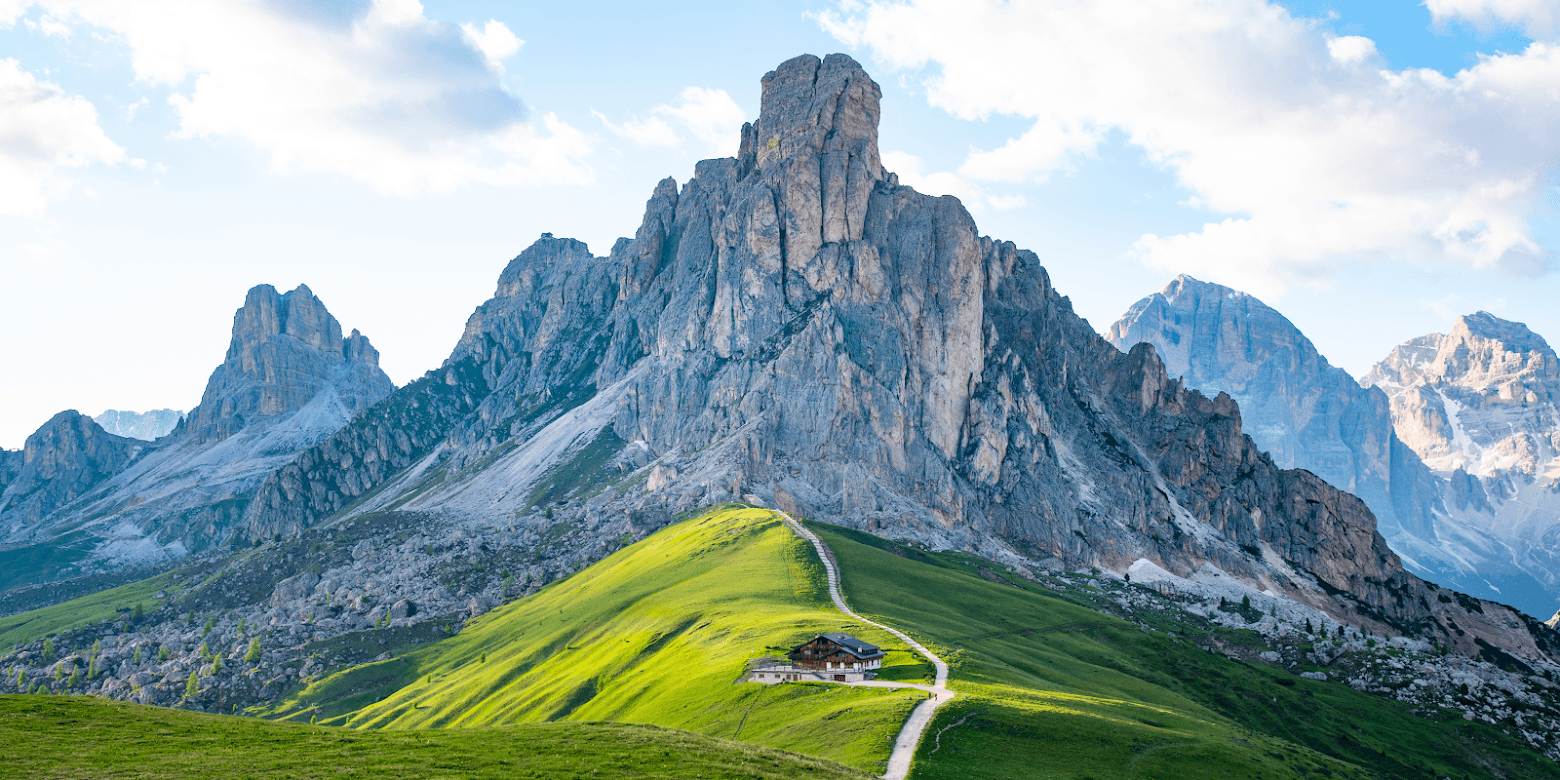
Dolomites, Italy
Overview
WOWNature began as a reforestation initiative in the Alta Badia region of the Dolomites, aimed at restoring forests damaged by Storm Vaia in 2018, which in just five minutes, destroyed areas equivalent to 70,000 football fields with winds up to 200 km/h.
WOWNature’s reach has expanded to include 159 forests using science-based methodology to grow new forests, restore degraded forest, protect biodiversity, promote rainwater infiltration into aquifers, prevent landslides and improve the lives of communities. B&R has been in partnership with WOWNature since 2020 and has helped plant over 800 trees supporting the forests of Alta Badia, Piana di Marcesina and the Tuscany Hills (Colline Toscane).
How We Support
Butterfield & Robinson’s Slow Fund actively supports WOWNature by funding the planting of new trees and the adoption of adult trees to protect the area’s century-old forests. This funding also aids in the development of food forests, a unique initiative that aligns with the region's environmental values and supports the local Slow Food movement.

Reforesting the Dolomites & Creating a Sustainable “Food Forest” Ecosystem
B&R’s contributions have helped to restore the forests in Badia, devastated by Storm Vaia. These reforestation efforts play a critical role in preserving the natural beauty and biodiversity of the region, which is frequented year-round by hikers, athletes and skiers from all over the world. In addition to planting trees, the project focuses on developing food forests where local chefs can forage herbs and berries. B&R’s support ensures that these forests are protected, fostering a sustainable, kilometer-zero approach to local cuisine that ties into the region’s Slow Food culture.
Creating resilient forests through the Marcesina Plain reforestation project
Over 1,000 hectares of forest were destroyed by Storm Vaia in this area. The trees that were left standing following the storm were subsequently attacked by the European Spruce Beetle, resulting in further loss of thousands of trees. Almost a decade later, reforestation began in May of 2026 with 30,000 new trees. Clusters of beech, larch, silver fir, rowan and birch species will create a diverse, resilient Alpine forest. .
Safeguarding a water course through the Tuscan Hills ecosystem restoration project
The reforestation of former pastures and struggling woodlands with maple, white oak, beech and holm oak will restore the forest functioning of this landscape. The forest acts as a natural sponge, retaining water and slowing runoff into La Fine stream, which flows through the area into the famed Arno River basin. Reforestation will improve water quality and reduce the risk of flooding, protecting a watercourse of significant ecological value.