South Africa travel swaps: 7 insider alternatives to the classic cape itinerary
By Butterfield & Robinson
South Africa
Published on October 15, 2026
Trade the waterfront for city streets
The V&A Waterfront is polished and easy to love, but it could be a waterfront almost anywhere. Instead, head downtown on a food walk through Cape Town's African diaspora communities. "Meet people from across the continent who now call the city home, hear their stories and share their food," says Christine. "It's a true human exchange over a shared table."

Swap the boardwalk for the Seaforest
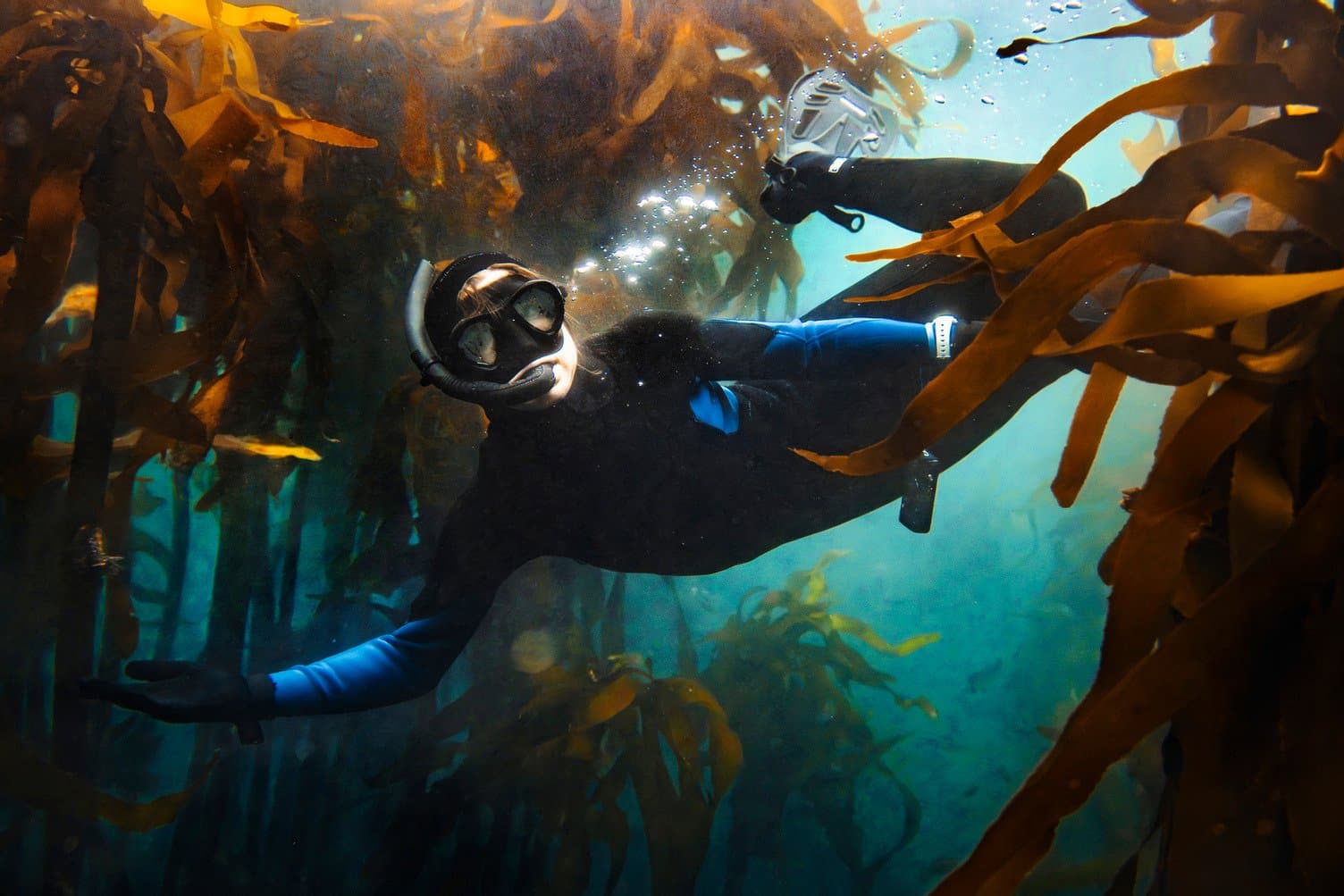
The penguins at Boulders Beach are charming, and so, unfortunately, is the crowd watching them. Just offshore lies the Great African Seaforest, the only forest of giant bamboo kelp on Earth, stretching more than 1,000 kilometres from Cape Town into Namibia. By kayak or snorkel, you'll find towering kelp swaying in the swell and Cape fur seals darting through the canopy. "Skip the boardwalk and get out on the water," Christine says. "That's the Cape most people never see."
Leave the cable car queue behind
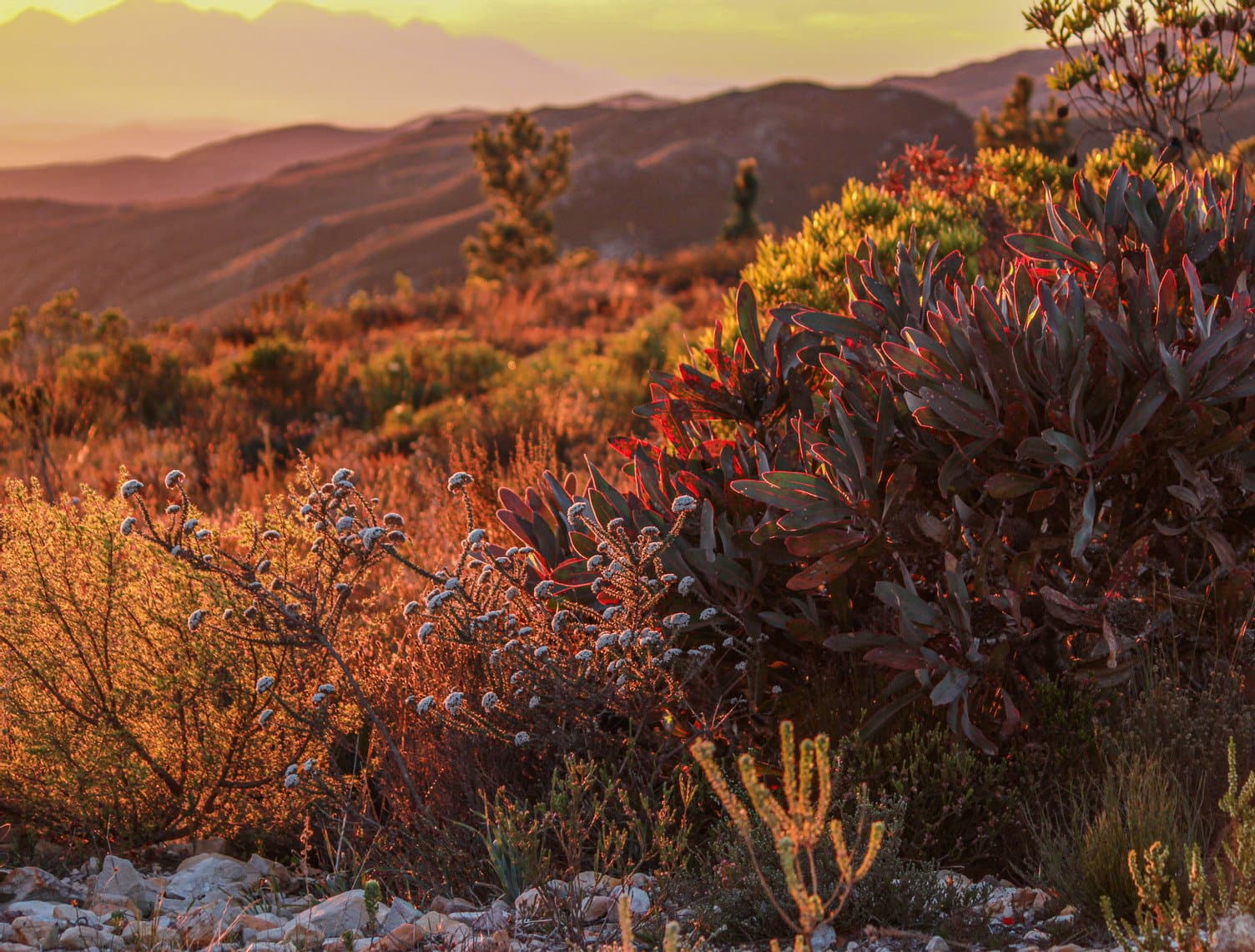
Table Mountain deserves its fame. The line for the cable car does not. "There's a summit in Cape Town where you'll have no one else on the trail, and the best views of Table Mountain and the harbour," says Christine. Going on foot also puts you in the fynbos, the fragrant shrubland of proteas and ericas that belongs to the Cape Floral Kingdom, the smallest of the world's six floral kingdoms and home to more than 9,000 plant species, most found nowhere else. "The cable car just carries people right past it," she laughs. To know it properly, stay at Grootbos Private Nature Reserve, a valued B&R partner near Gansbaai, where guides lead walks, rides and botanical drives through 3,500 hectares of fynbos and ancient milkwood forest, now in the midst of a rare post-fire superbloom.
Swap the bus tour for the shoreline
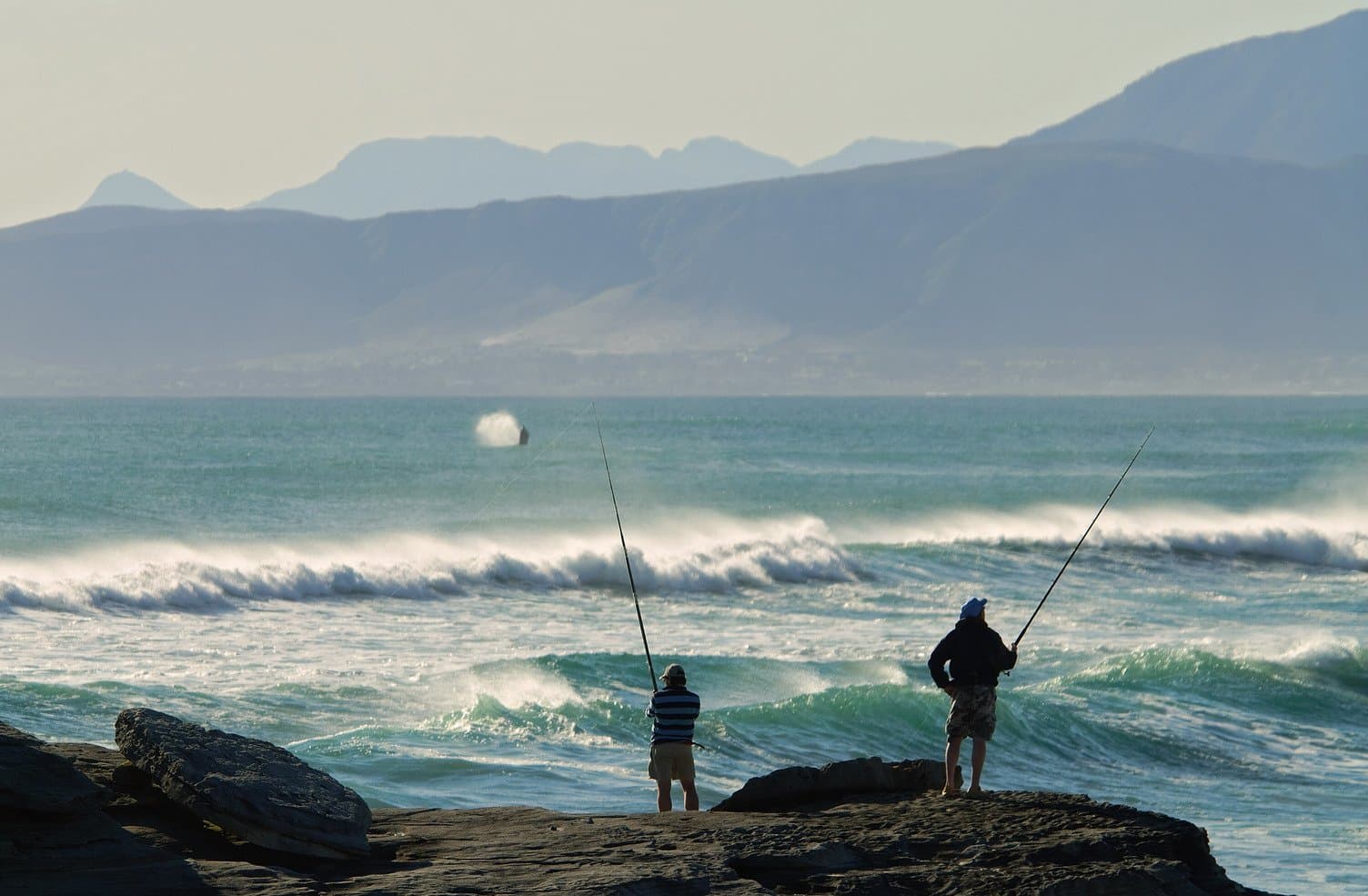
The classic Cape Peninsula bus tour covers a lot of ground and very little depth. Instead, spend a day foraging the coast with a Scarborough local who knows every rock pool by heart, then follow them home to turn the day's finds into dinner. It's the peninsula at walking pace, and it ends the way the best days do: around a table. "You gather fruits from the sea and learn about the diversity of the Cape Peninsula," says Christine. "Then you join them at home to cook and dine together on what you found."
Pour something off the beaten path
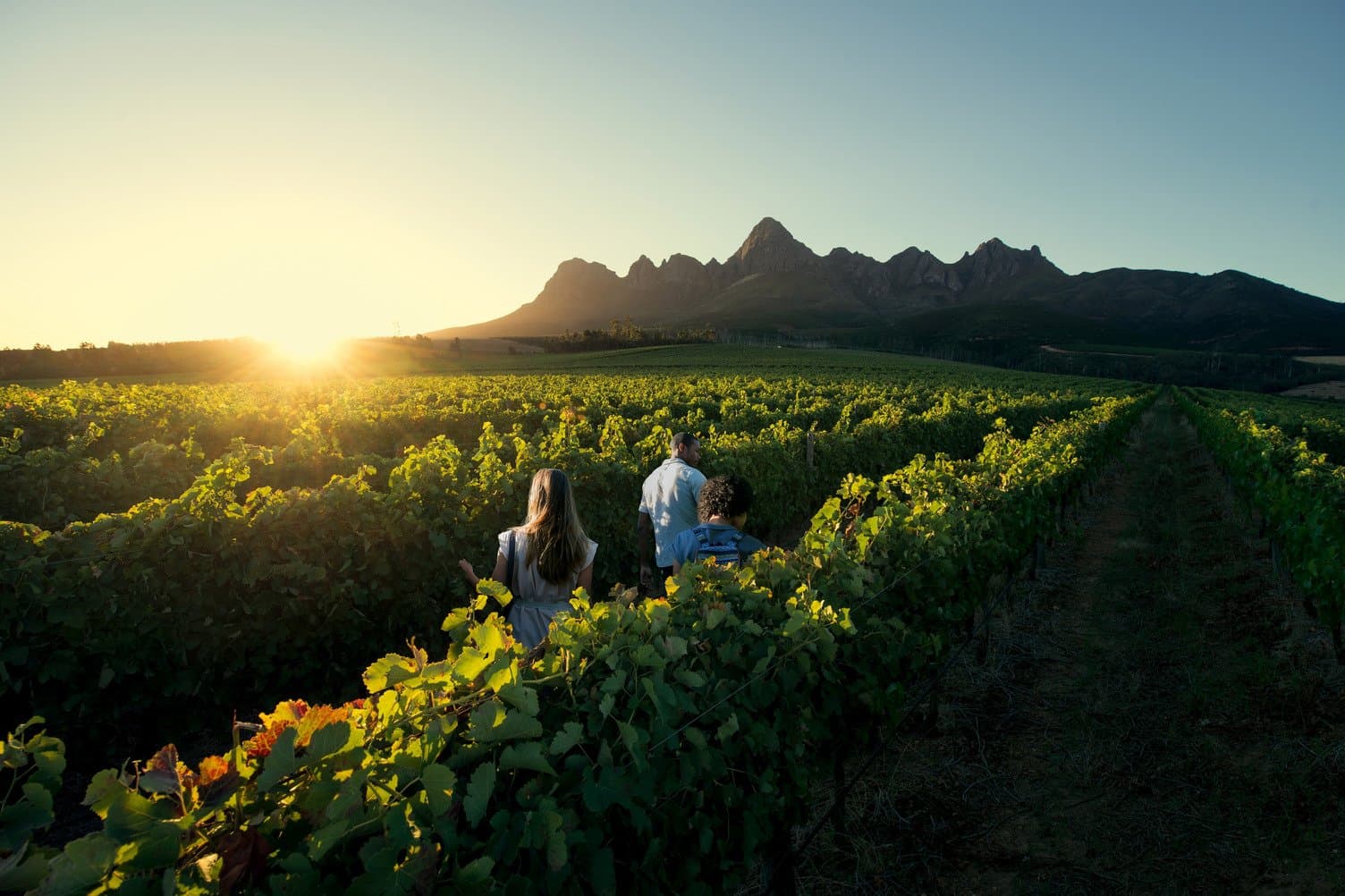
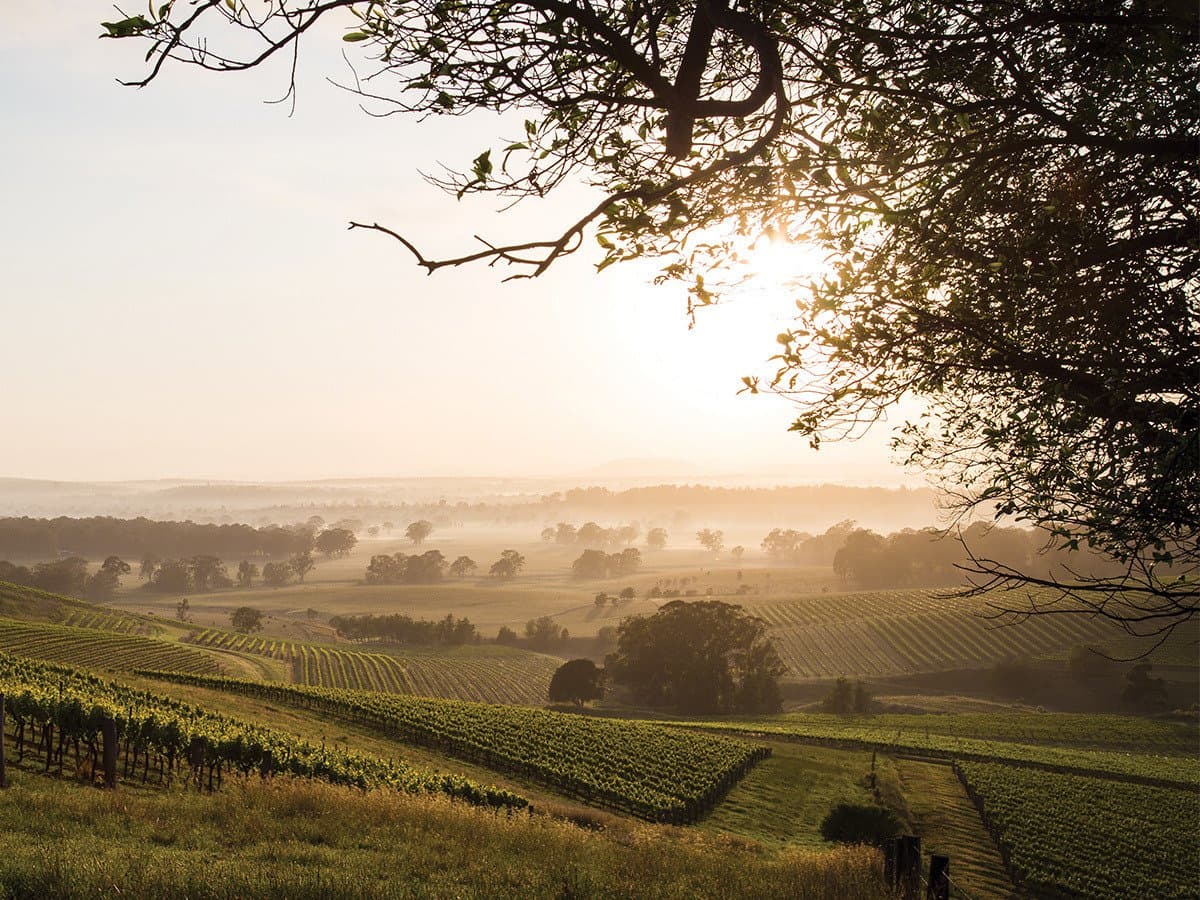
Franschhoek is beautiful, and it knows it. For more discovery and fewer crowds, look further afield. The Swartland, an hour north of Cape Town, is the Cape's maverick vineyard, known for old-vine Chenin Blanc and independent winemakers. The Hemel-en-Aarde Valley, behind Hermanus, is the country's cool-climate home of Pinot Noir and Chardonnay. "Or go to Elim," Christine says, "one of South Africa's youngest wine regions and its most southerly." Its wind-swept vineyards near Cape Agulhas produce flinty, saline Sauvignon Blanc, and both Elim and Hemel-en-Aarde pair naturally with a stay at Grootbos.
Keep Kruger, then add the Kalahari
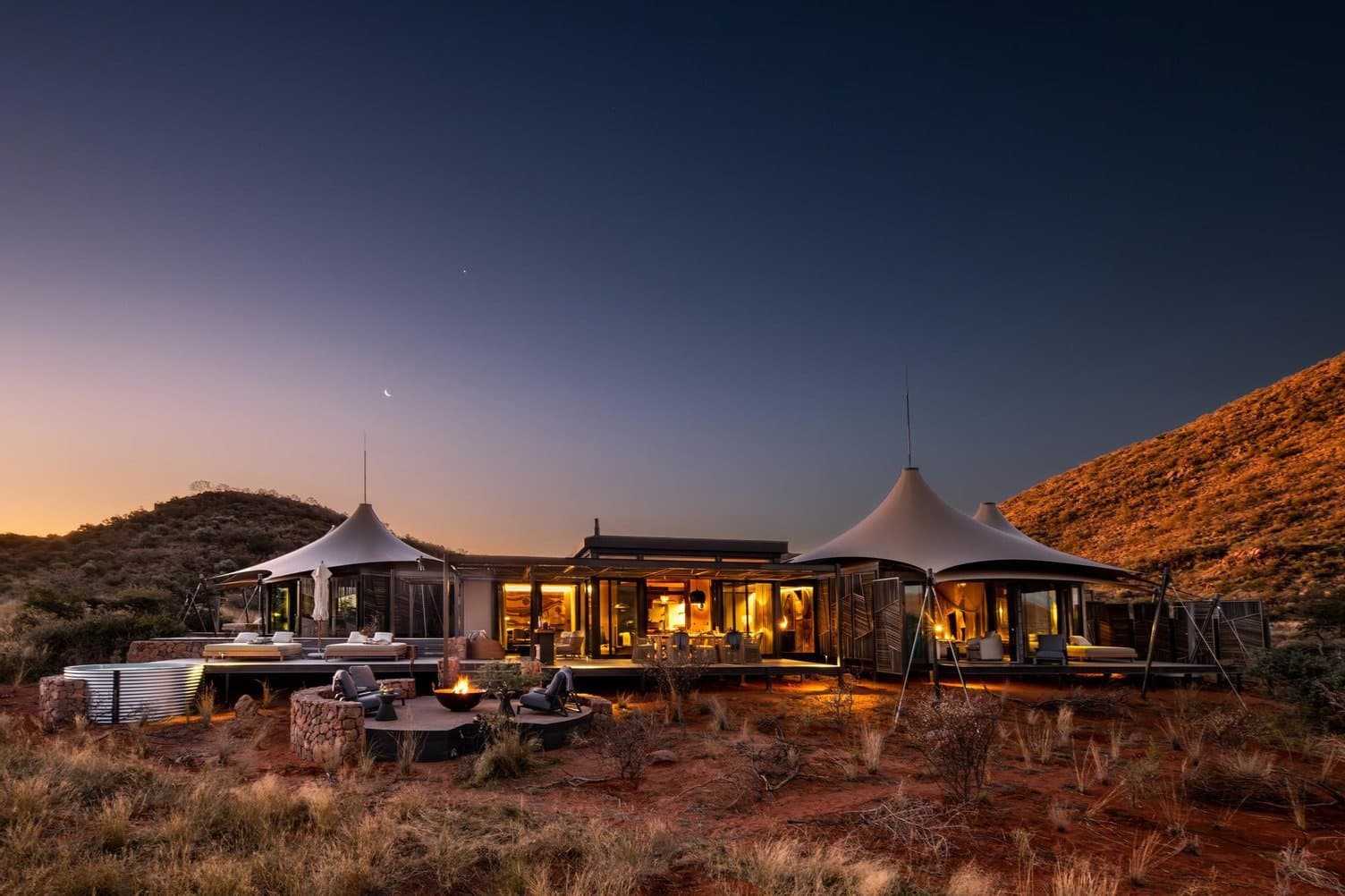
This one is less a swap than an "and." "You sort of have to go to Kruger, because it has what people want to see," says Christine. "Tswalu has what they didn't know they wanted to see and feel." If your itinerary includes a second safari lodge, trade it for the desert. Tswalu Kalahari, South Africa's largest private reserve, is one of the best places in Africa to find pangolin and aardvark, track black-maned Kalahari lions, spend a sunrise among habituated meerkats or fall asleep at Malori, its sleep-out deck, beneath one of the clearest skies in southern Africa. It's also malaria-free, an easy bonus for families.
Swap the photo stop for a seat at the family table
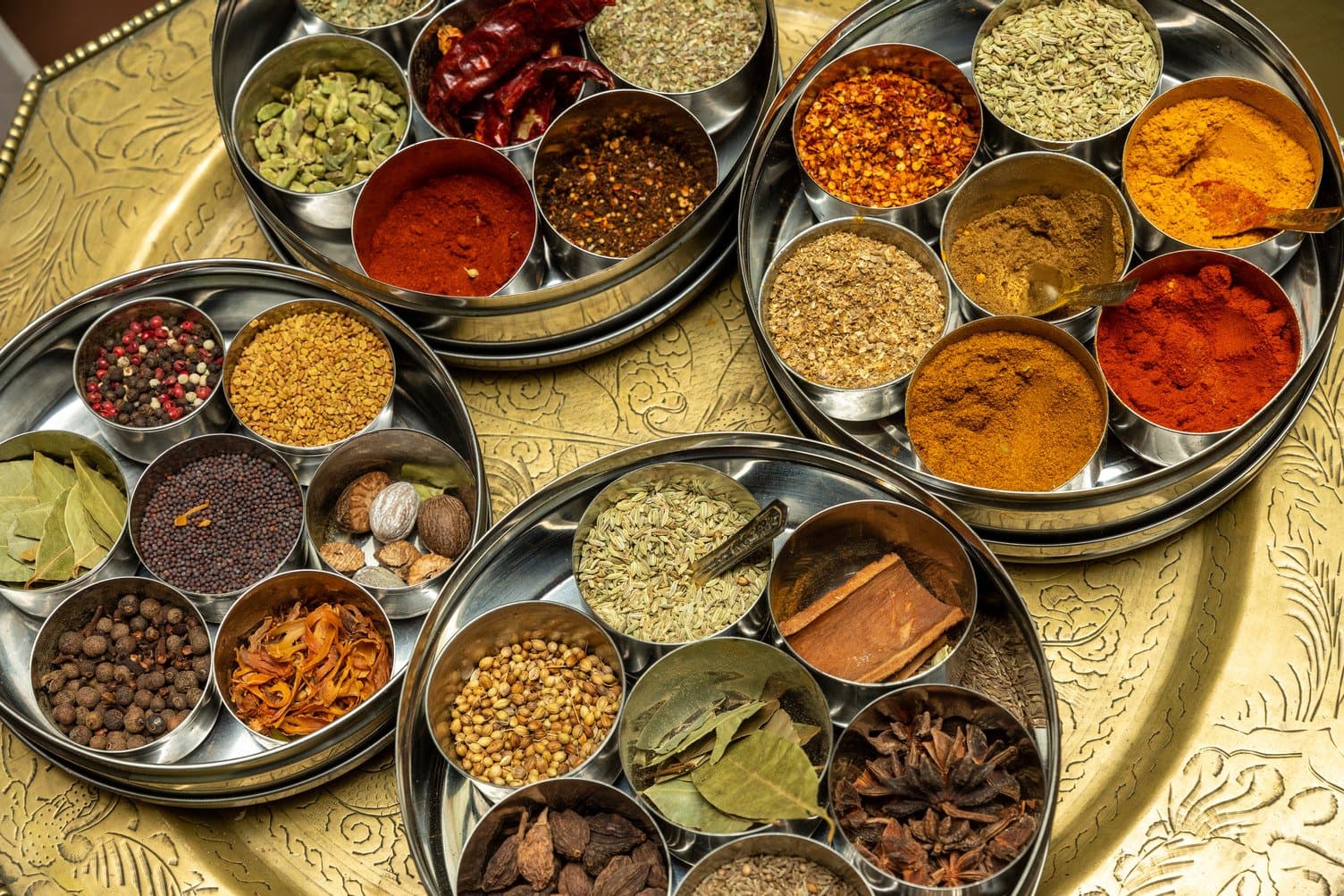
The candy-coloured houses of the Bo-Kaap make for a beautiful photo, but the neighbourhood's real story lives inside, in kitchens where Cape Malay recipes have passed from one generation to the next. Step through the door for a cooking class in a private home. Your hosts will show you how to toast, grind and layer cardamom, clove and cinnamon, spices that carry centuries of family history. Then the apron comes off and you sit down to the meal you made together. "Instead of the photo stop, take a seat at the family table," says Christine. "It lets you enter the complex world of Cape Malay spices."